

The fundamental role of Tregs as master regulators of the immune system was recently recognized in the 2025 Nobel Prize in Physiology or Medicine
Tregs modulate the immune system via multiple mechanisms

- Cell-cell contact
- Anti-inflammatory cytokines
- Metabolic control
- Pro-repair factors
In a healthy immune system, regulatory T cells (Tregs) and effector T cells are maintained in a homeostatic balance. Effector cells promote beneficial immune activation and inflammation, while Tregs modulate the immune response. In autoimmune and inflammatory diseases, Tregs are either too few or functionally impaired, leading to unchecked effector activity, inflammation, and tissue damage.
Treg cell therapies aim to reset this balance by providing targeted, stable, and functional Tregs engineered for optimal activity to regulate the immune system and promote tissue repair.
THE KEY CHALLENGE
Natural Tregs are not targeted and have already “lost the battle” in patients due to a destabilizing inflammatory environment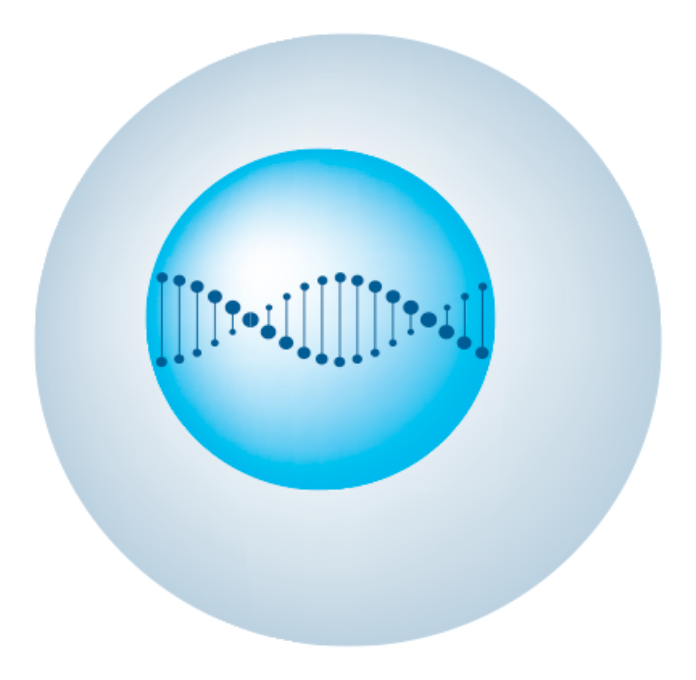
Natural Treg
Natural Tregs are not targeted: Natural Tregs taken from the body and expanded for therapy are not specific to one disease. They recognize many tissues and antigens, which makes them less effective for treating a single autoimmune condition.
Natural Tregs can lose stability and function in inflamed tissue:
Reduced stability: Inflammation can lower FOXP3—the key gene that keeps Tregs functioning—causing them to lose their identity and effectiveness
Reduced survival: Inflammation also reduces IL-2, a crucial molecule Tregs need to survive and work properly
OUR PLATFORM SOLUTION
The Genti platform delivers high levels of stable, highly functional Engineered Tregs to the site of disease
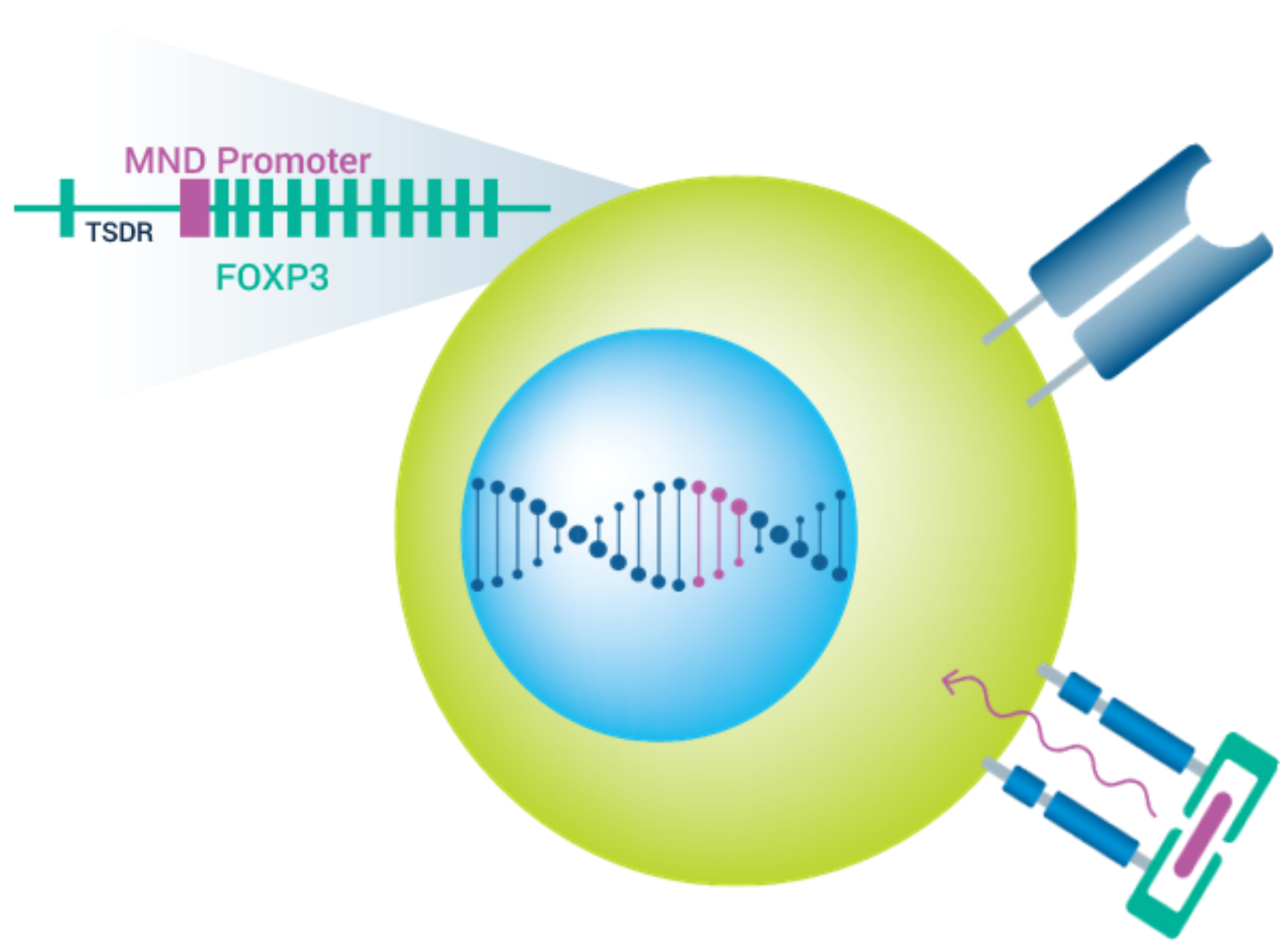
Engineered Treg
Specificity: Use CAR, TCR, or chemokine receptors to guide EngTregs to the site of disease
Stability: Constitutive FOXP3 expression keeps EngTregs stable even in inflamed disease environments
Survival: CISC technology provides IL-2 signaling support which is critical for Treg survival, expansion, and function

Challenge: Selective targeting to diseased tissues to ensure maximal efficacy and safety
Solution: CARs, TCRs, or chemokine receptors to guide Tregs to sites of disease
Challenge: The inflammatory disease environment can destabilize expression of the key master regulator for Tregs, FOXP3, leading to dysfunction
Solution: Constitutive FOXP3 expression locks in a durable Treg phenotype with enhanced resilience in inflammatory environments
Challenge: Autoimmune disease environments drive a scarcity in IL-2, the key cytokine necessary for Treg
expansion and function
Solution: GentiBio’s proprietary CISC technology enables the expression of a synthetic IL-2 receptor, providing IL-2 support specifically to our engineered Tregs